Destination Location
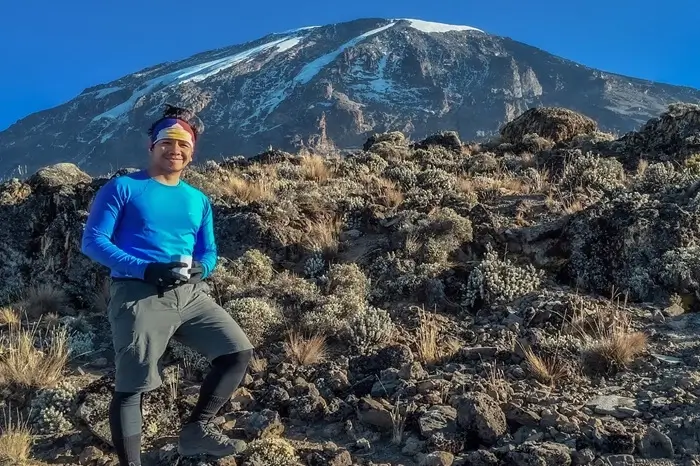
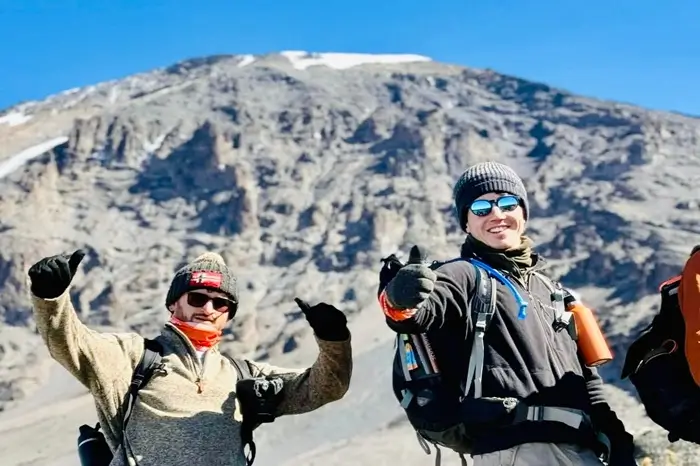
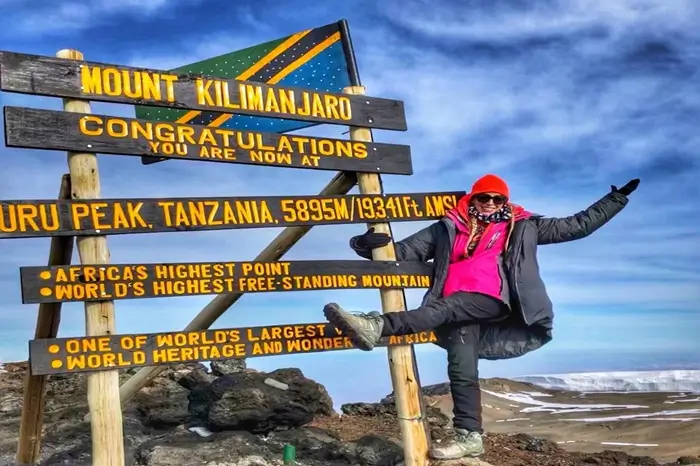
Mount Kilimanjaro stands proudly in northeastern Tanzania, just three degrees south of the Equator. It is Africa’s highest peak and the tallest free-standing mountain in the world.
Among the legendary Seven Summits, Kilimanjaro is considered one of the most accessible. It doesn’t require technical climbing skills, and with proper preparation and determination, any reasonably fit person has a strong chance of reaching the summit.
Is This Trip for You?
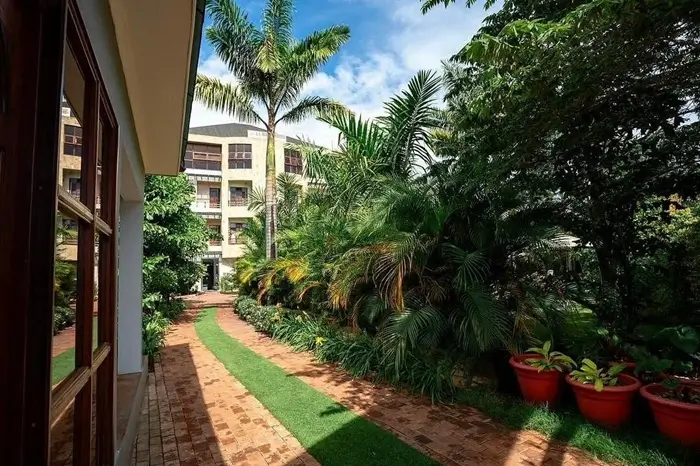
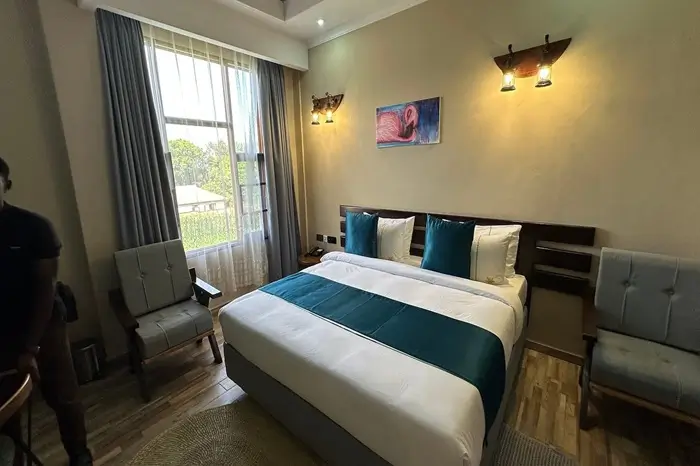
If you arrive at Kilimanjaro International Airport, a representative from Claris Tours & Travel will warmly welcome you and transfer you to your hotel in Moshi or Arusha.
We highly recommend arriving at least one day before your climb begins so you can rest and adjust. If you’re travelling from Nairobi, that travel day can also serve as your rest day.
If time allows, you can:
Take a guided walk through local rice fields and rainforest areas
Explore the town of Moshi and enjoy some shopping
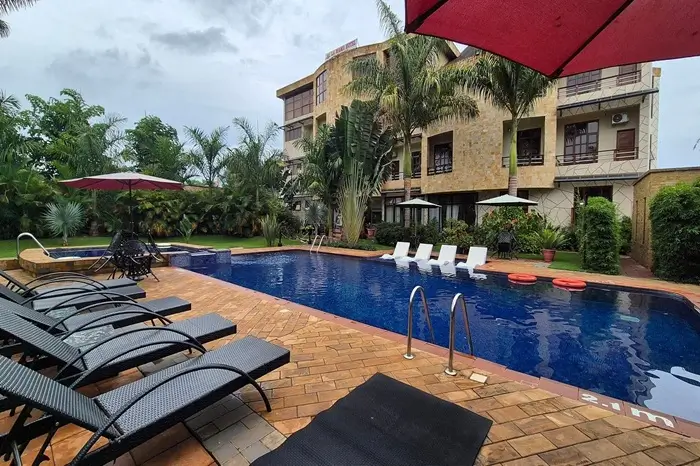
Relax by the hotel pool
Treat yourself to a soothing massage
The evening before your trek, your guide will conduct a detailed briefing. You’ll need to separate your trekking gear from your main luggage. Rental equipment is available if needed, and any extra bags can be safely stored in a secure room at your hotel in Moshi at no additional cost.
The Start of Your Trek
After a hearty breakfast, you’ll head to the trekking office for final preparations. Depending on your chosen route, the drive to the trailhead may take up to an hour and can be a bit bumpy — but that’s all part of the adventure!
At the park gate, climbers complete registration formalities before beginning the journey. Meanwhile, porters organize supplies including food, water, and camping equipment. Be sure you have everything you need in your daypack, as porters move quickly ahead. Your guide will always be available to answer questions and assist you.
A Typical Day on the Mountain
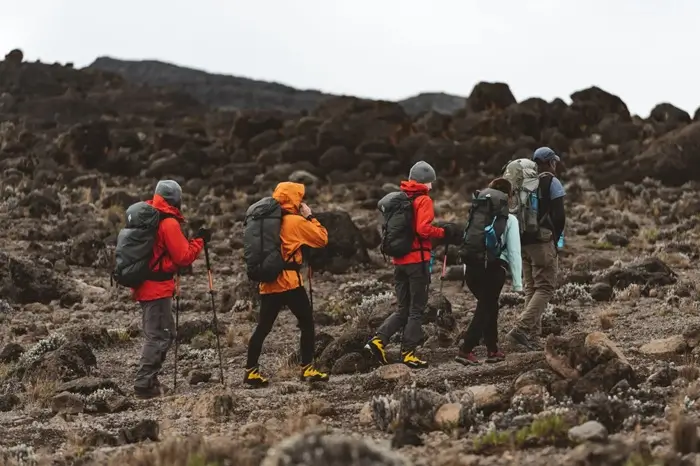
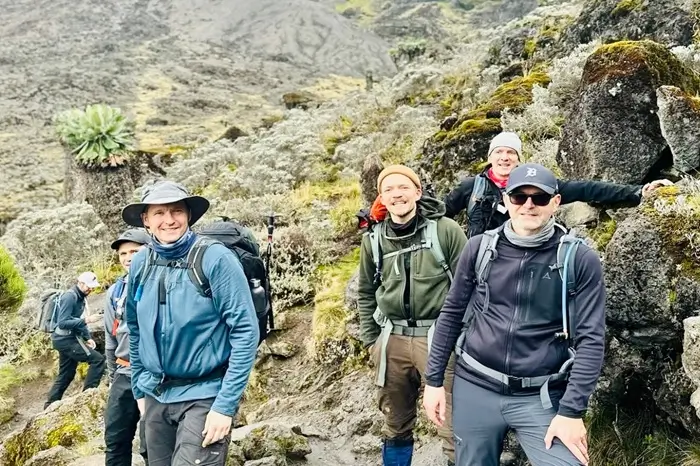
Most hiking days begin between 8:00 and 9:00 AM and last about 5–6 hours. The pace is intentionally slow and steady to allow your body to acclimatize properly. You’ll often hear your guides say “pole pole” (pronounced po-leh po-leh), which means “slowly” in Swahili — the golden rule of Kilimanjaro climbing.
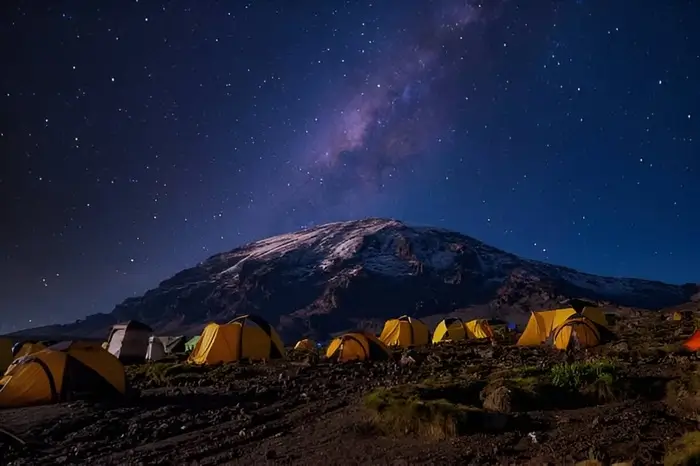
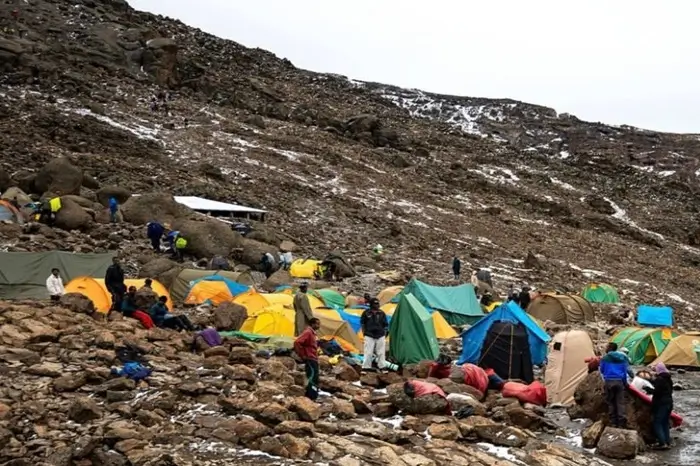
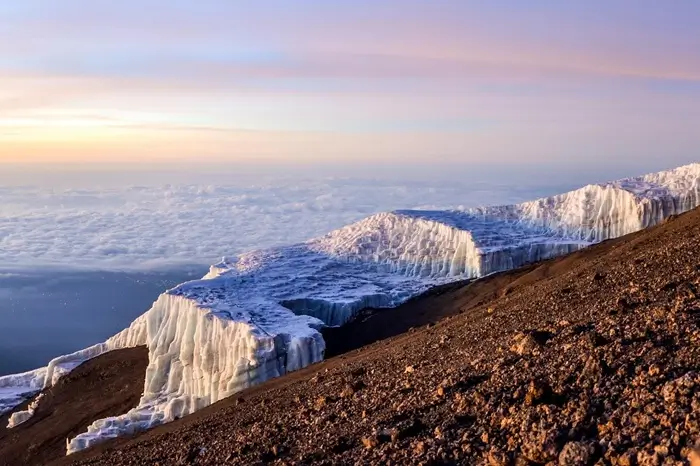
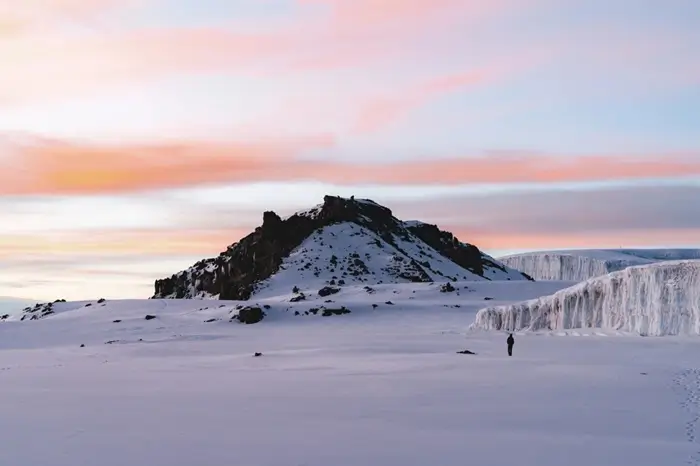
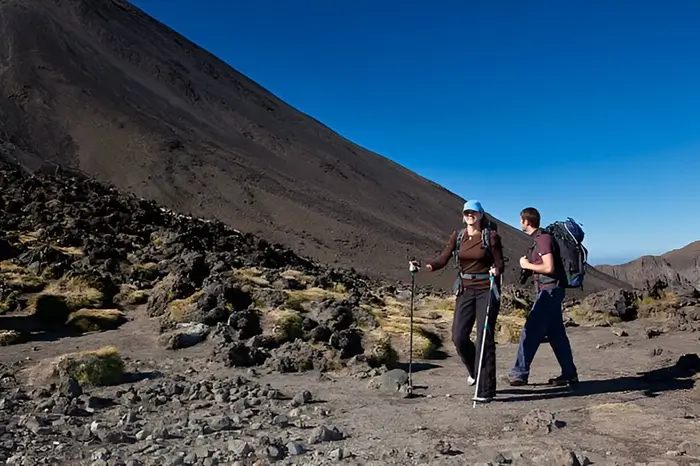
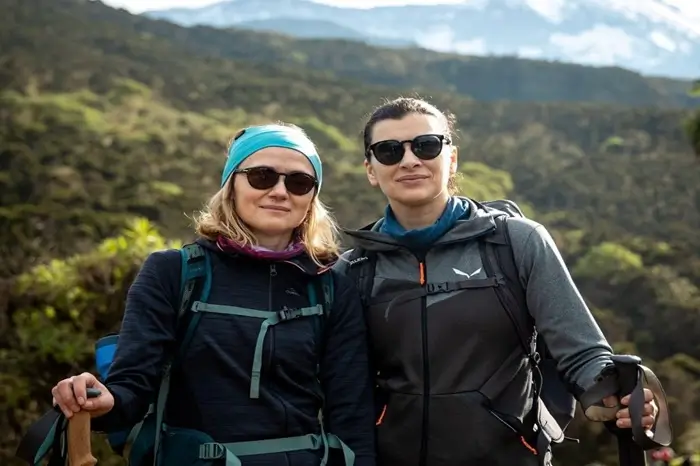
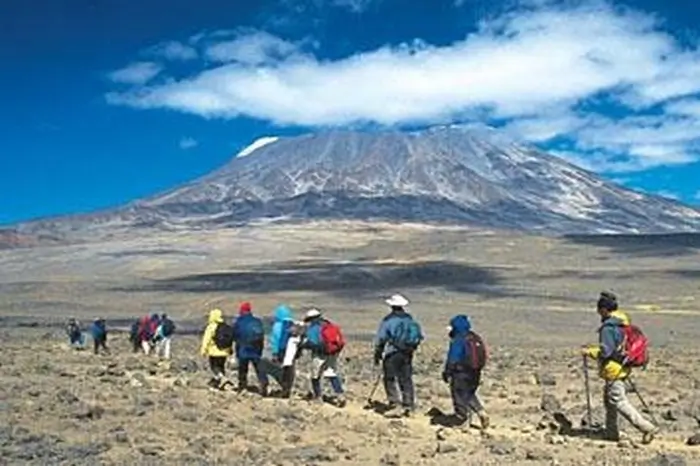
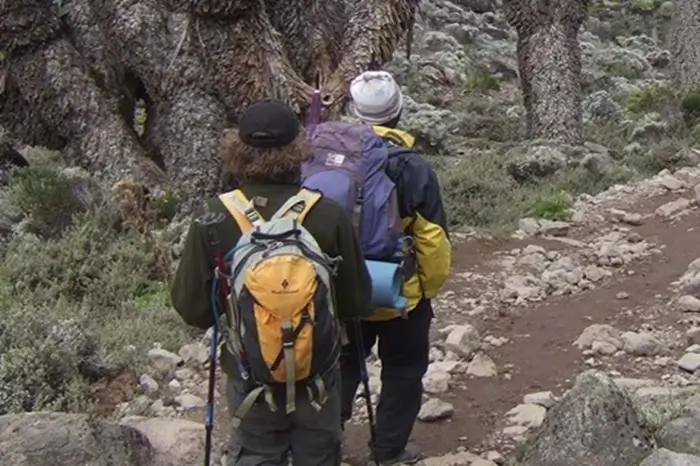
Lower slopes are lush and vibrant, filled with rainforest beauty. As you climb higher, the landscape opens into dramatic alpine scenery with breathtaking panoramic views. Evenings at camp are quiet, offering the perfect opportunity to rest, reflect, and capture unforgettable photos.
Summit Night
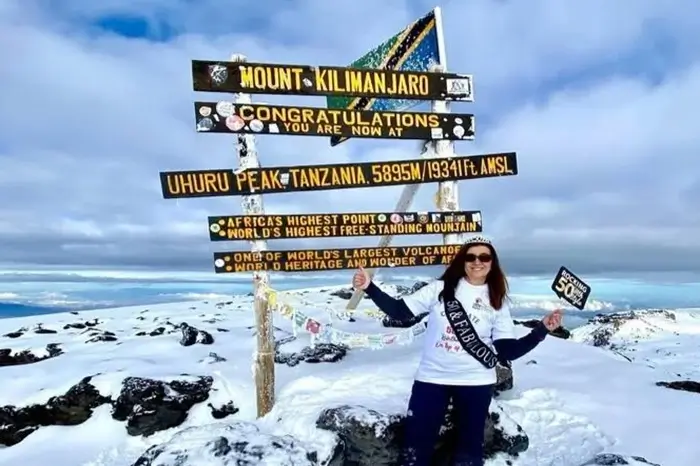
Summit attempts typically begin around midnight, depending on your route and your group’s pace. You’ll climb as high as you comfortably can. Some trekkers choose to stop at the crater rim, while others continue all the way to the highest point.
After celebrating your achievement, your guides will lead you down promptly to reduce the risk of altitude-related issues. You’ll descend past your previous campsite and continue to the next camp for an overnight stay.
Optional Acclimatization Day
You can add an extra acclimatization day at Horombo Huts (3,690 m / 12,100 ft). This allows you to spend a full extra day and night there.
On this day, you may:
Rest and recover at the huts
Take a scenic walk toward the base of Mawenzi Peak
Gain a deeper understanding of the mountain’s weather and altitude conditions
This additional day significantly improves acclimatization and increases your summit success rate before continuing to Kibo Huts for your summit push.
Travel Companions
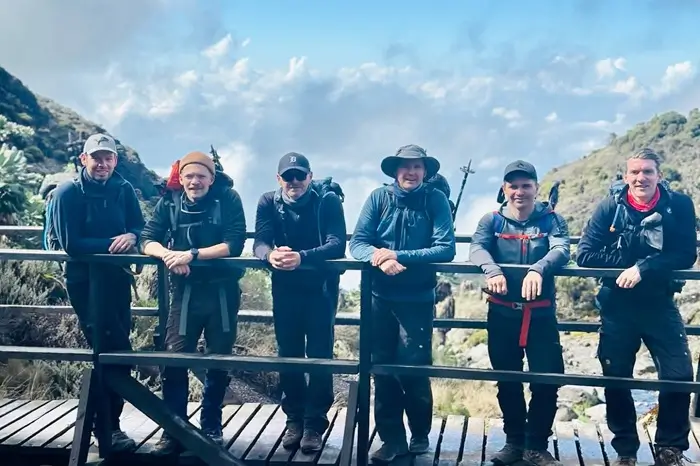
Group sizes are kept small, typically between 5–7 climbers, to ensure personalized attention. If travelers are starting the same route on the same day, groups may be combined up to this limit.
Private climbs can also be arranged at no extra cost. While we try to match solo travelers with groups whenever possible, it cannot be guaranteed. Large groups can also be accommodated upon request.
Guides & Support Team
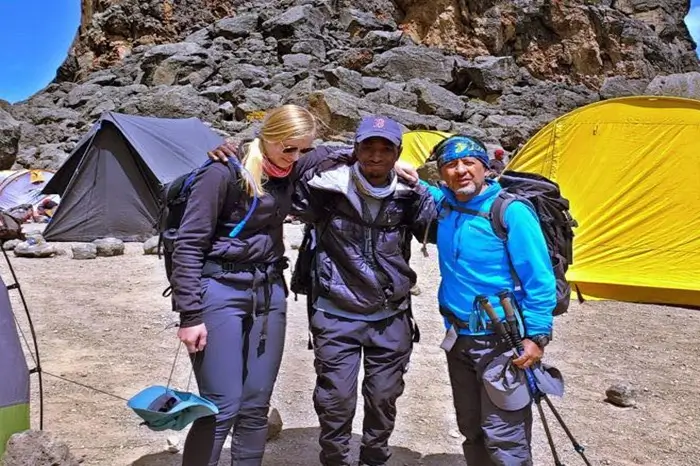
Climbing Kilimanjaro requires a licensed local guide, and Claris Tours & Travel works with experienced professionals fluent in English, Spanish, French, and German.
Your support team includes:
Lead guide
Assistant guides
Cook
Porters
Porters carry your main luggage, food, and camping equipment — you’ll only need to carry a daypack with personal essentials.
Tipping Guidelines
After your trek, you’ll receive an envelope at your hotel for distributing tips. You may tip in U.S. dollars, Euros, Tanzanian shillings, or a mix of currencies. Small bills are helpful for individual tipping. There’s no need to carry cash up the mountain.
$15 per day for guides
$10 per day for assistant guides and cooks
$7 per day for porters
1 guide per 8 climbers
1 assistant guide per 3 climbers
1 cook per 8 climbers
5-day Marangu Route: 2 porters per climber (minimum 4)
6–7 day treks: 3 porters per climber (minimum 5)
8-day Lemosho Route: 4 porters per climber (minimum 8)
- For a 6-day trek, budget approximately $200 per climber for tips.
Porters and guides also deeply appreciate practical gifts such as warm clothing, hiking boots, or backpacks. Many climbers enjoy inviting their guides to dinner or drinks after the climb as a personal thank-you.
Transportation
Except for international airfare, Claris Tours & Travel includes all in-country transportation and logistical arrangements. This covers airport and hotel transfers, transport for all scheduled activities, and equipment.
Money & Currency
The local currency is the Tanzanian Shilling. While U.S. dollars, Euros, and credit cards are accepted at larger hotels and stores, you’ll often receive a better exchange rate when paying in local currency.
ATMs are available in major towns such as Moshi and Arusha, but access may be limited in smaller areas, so plan accordingly.